





Loading...
Track Listing
- 3:32
- 4:05
‘Woman’/’Beautiful Boys’ was John’s first posthumous release, taken from John & Yoko’s album ‘Double Fantasy‘ it was released on 12 January 1981.
“That’s to Yoko and to all women, in a way you know. Because my history of relationships with women is pretty typical of a certain type of man, which I was, I suppose. Which is a very sensitive, insecure person acting out very aggressive and macho, you know? Trying to cover up the, sort of, feminine side of me, which I still have a tendency to do, but I’m learning to acknowledge it. That it’s all right to be soft and allow that side of me out because that side of me is the comfortable side of me. The image I project, the thing that is not real. You know like put my boots on like you put yours on. I tend to put my cowboy boots on when I am insecure more than anything else, I am wobbling around in a little Cuban heal you know whereas now I am in my sneakers and it’s comfy.”
– John Lennon, 1980
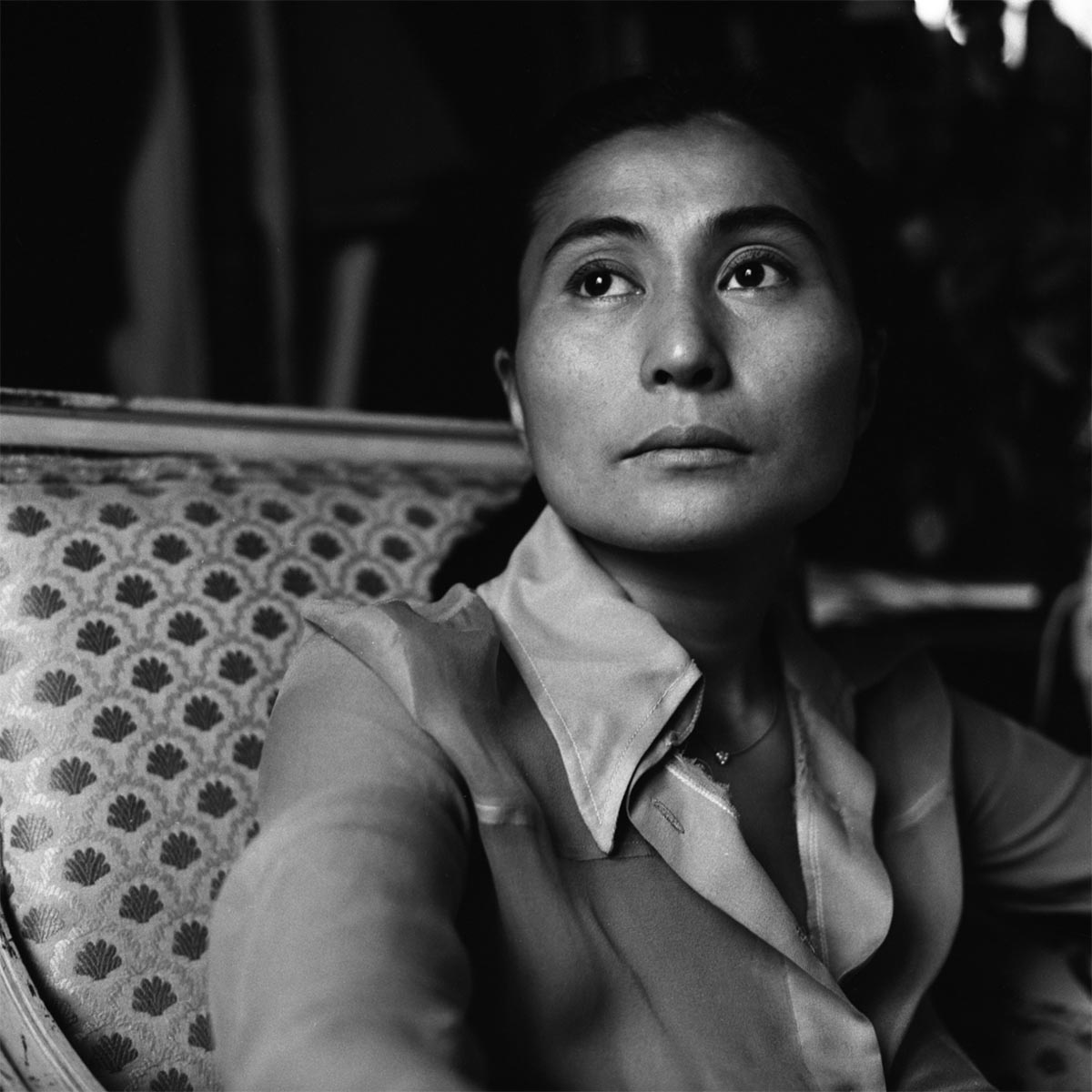
John: That’s to Yoko and to all women. Because my history of relationships with women is a very poor one. And very macho, stupid. But pretty typical of a certain type of man – a very sensitive, insecure person acting out very aggressive and macho. Trying to cover up the feminine side of me, which I still have a tendency to do, but I’m learning to acknowledge it – that it’s alright to be soft and allow that side of me out. Because that side of me is the comfortable side of me. Like the image I project – the thing that is not real – where I put my cowboy boots on when I’m insecure. Whereas now I’m in my sneakers and it’s comfy.
Yoko: John is a feminist, as is anybody who’s aware of women’s struggle and what they have to go through in the male society.
It’s really a matter of changing your consciousness. And once you know, you can never un-know things.
When John first read ‘The First Sex’ by Elizabeth Gould Davis, he was reading until late at night and he started crying. I think he really felt that feeling of that tremendous guilt complex that the male species have, of what they allowed women to go through. And then in these past five or six years, he consciously did the role reversal. He was with Sean and he went through a very new experience which inspired him to write these types of songs.
I was one of those women who really didn’t understand about men so much and through John, I realised a lot about what the male struggle is in this world. He comes from Liverpool and he lost his parents, and he didn’t have the credentials and he had to really struggle through society and men have their rejection complex.
John: As we talked more and more about it, it became more and more of a thing and I had to find out about my- self and my attitude to women. I really believe that women have the worst situation. However badly or how poor people are, it’s the woman who takes it when they get home from work.
Yoko: I think women have the inner wisdom and are carrying that while men have the further wisdom to cope with society because that is what they have created. They didn’t have time to develop the inner wisdom. And so most men rely on women’s inner wisdom – whether they express that or not – and I think John is simply expressing it. It’s supposed to be a sissy thing to say, ‘I learnt a lot from a woman.’ but most people do, if they allow themselves.
John: All the science fiction writers and all the science fiction movies are generally run by males and projected by males. It’s always crises. It’s always World War Two up in the sky with space suits on.
The female message has not been heard or listened to for centuries and centuries and centuries, and it’s only just coming out now. Although there is a thing called the ‘Women’s Movement’, it’s like society took a laxative and they just farted. They haven’t really had a good shit yet and it hasn’t really started. It’s just the seed was planted some time in the late sixties and it’s nowhere near. The real changes are coming down.
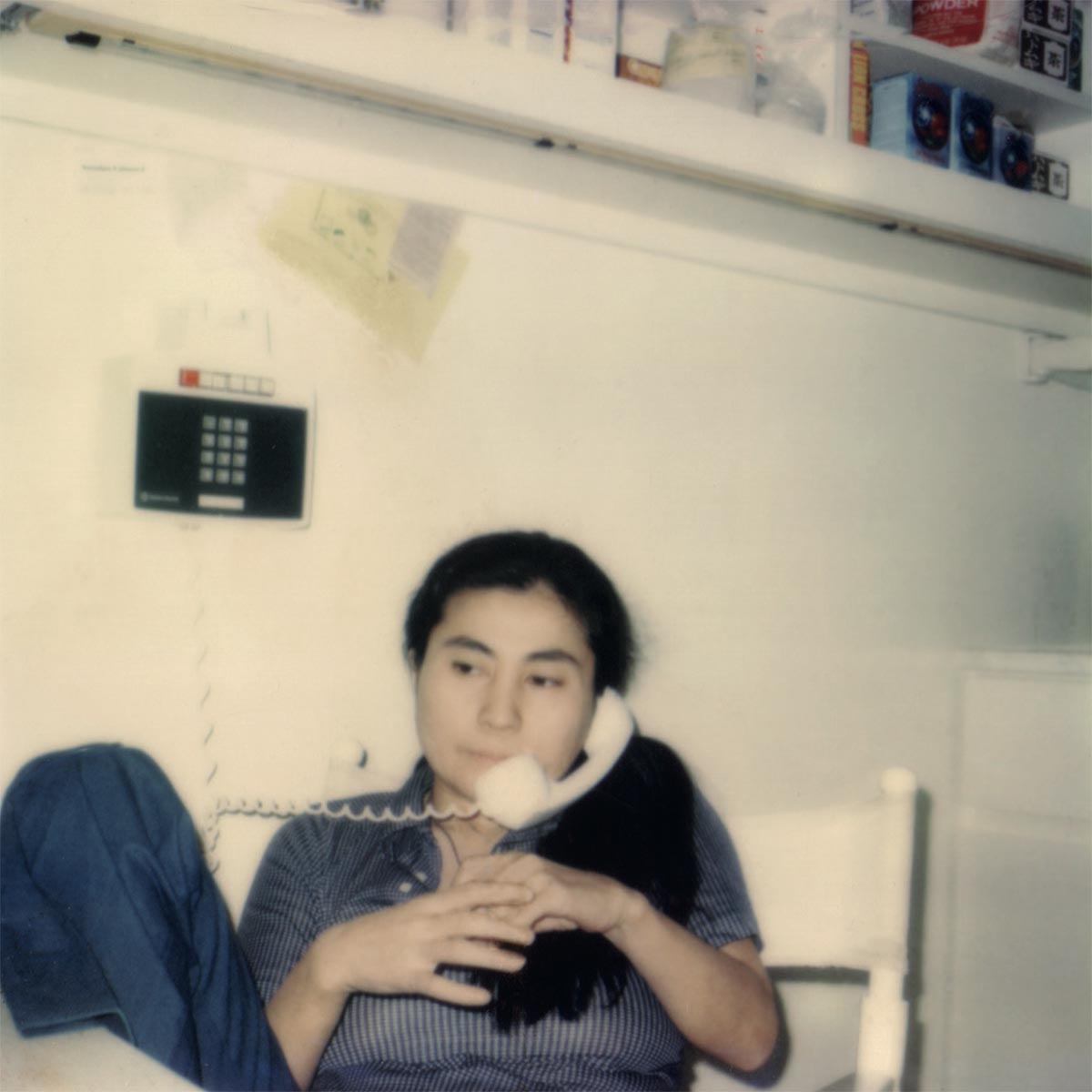
Yoko: At breakfast they would say, ‘we have a morning paper’ and I would naturally start reading the papers. And John would say, ‘What?’ because he was used to looking at the paper first.
John: Don’t take the paper till Dad’s read it – ‘You’ll not touch papers till Dad has it, you know, slippers and pipe.’
Yoko: And I’m thinking, ‘What is this? I’m not supposed to read the papers first?’ I couldn’t believe it. Just on a trivial level, but all these things accumulate.
There was a division of labour that was established a long time ago because we become pregnant and it’s more convenient for men to go out and cut trees so they started to devel- op their muscles while we would be nursing our children. And that started the whole cycle of men hunting, and the hunting instinct – which we have too, by the way.
But there was a division of labour and all this division of labour created that situation. Even if our voice was heard, our voice was a voiceless voice and it was always there. Men believed in verbalising things. Men believed in a medium such as writing. They believed more in visible means of communication.
Whereas a lot of women probably have communicated and have changed the world, and now they’re trying to do something in a way that men do, which is a pretty dangerous way. It’s a change, and it’s a healthy change that we’re not just sitting in a rut, that we are exploring new fields. It is inspiring and it’s healthy, but it is dangerous. There’s a danger that we’ve become men. We become the macho society.
Even now I think, ‘well, you know, there’s a guy who’s taller than me and he can carry heavy things, and I don’t see why he can’t carry them.’ I don’t insist on, ‘well, look I am as good as you are, so I should carry this kind of thing.’ In a way I was promoting Woman Power and it’s true Woman Power is really important but at the same time we don’t have to ignore men’s power. We can use Man Power too. Woman Power and Man Power should go together.
Some women who strongly feel about feminine society really try to say that, ‘We don’t want men to do anything and we’re just going to do it’. It’s alright to have those extremes, but in the end it’s going to be more practical that we both get together.
I admire all women because they’re all basically feminists, but in America now, there are many feminist men starting to be aware of the feminist movement and I really appreciate that.
Also, it’s harder for men to become feminist of course, but they are aware of the Woman’s Movement as part of the social structure and social movement, and I think that part is the most interesting because in the end we have to really come together and work together about it.
John: I wish that at school they had just taught us to cook, type and a few practical things, and to drive, instead of all the garbage the teachers were trying to teach us.
They did a sketch on ‘Saturday Night Live’– they had me in an apron and Yoko with the tie and they did a real good skit on us and we were hysterical. It was just very, very funny. All the time I kept saying ‘Oh look the oven’s burning…’ and that was the skit of me.
I don’t mind the mickey taking at all, because to me I approached it intellectually. First as a kind of Zen discipline: make the bed, conquer the rice, conquer that dependence on a woman. Even if I’m alone, I can now cook enough to get by.
Yoko: A woman’s work is never done, you know…
John: It’s so true, love, it’s so true, it’s never, ever done.


